

Many MSPs find it challenging to talk to clients about technical topics, so we’ve collected some of the best advice from real MSPs on simplifying the tech talk.
We’ll discuss
- How clients see the data
- Keeping clients engaged in the conversation
- Adapting your communications to the client
Conversations between an MSP and their client are foundational to a successful business relationship. But with so much to manage, the dialogue between the two can break down, causing confusion and slowing down service.
Communication can be hard when it comes to multi-layer projects with complex aspects, or working with clients who aren’t tech-savvy.
Identifying what your clients care about, and how best to talk to them, will take your business a long way without having to change much. The key to keeping people engaged and informed is to simplify the information.
With a few tips for reading the room during client meetings, MSPs can approach conversations with clients in a way that builds trust and earns buy-in on new ideas.
Help Clients See The Data
One of the best ways to simplify data is by presenting it through visuals. From the client’s perspective, technology plan data can often be overwhelming and hard to understand without familiarity with some of the metrics.
When broken down into a more visual format, MSPs have found increased buy-in from clients.
Jeff Fulton, fCIO of SafetyNet, said the visual-based reports have helped clients understand the data and increase engagement during meetings.
The Lifecycle Manager Digital Maturity Index (DMI), for example, is built to present your clients data in a visual format that measures your clients' and offers a score based on an objective assessment on the state of the company’s tech environment.
By benchmarking many aspects of a technology plan your clients can quickly identify wins and challenges.
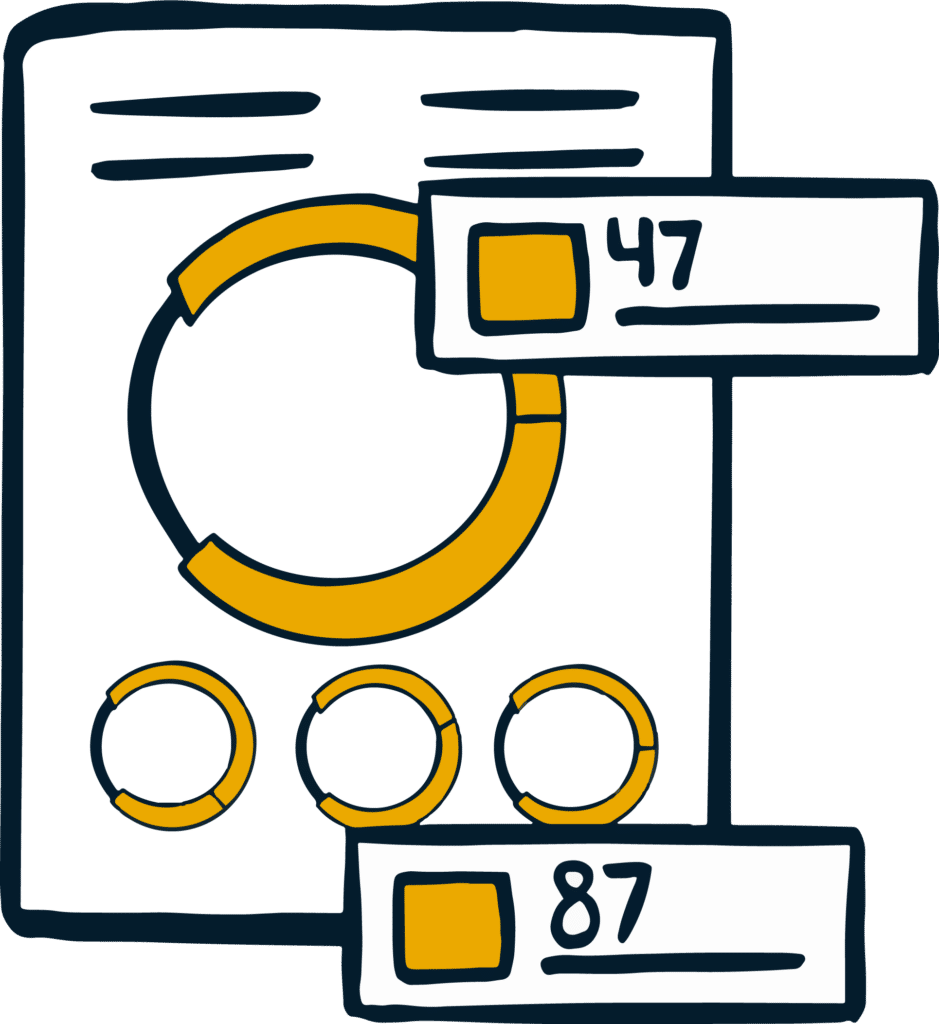
Reports using visuals, like the Lifecycle Manager reports, clearly show what hardware is healthy, in need of warranty, or needs to be replaced entirely. It’s been much easier for clients to make sense of the color-coded visual design of the reports than a massive data spreadsheet.
Stop Reporting, Start Conversing
In client review meetings like QBRs, MSPs can get stuck reviewing the report and explaining the data. By getting stuck in the basics, most of the time in the meeting is spent covering the facts instead of what to do about it.
Sending the reports and relevant information beforehand frees up time in the meeting to drill down to specific topics. Meetings become constructive conversations about the reports, what to do about the action items, and establishing a plan to achieve their goals.
Fulton has even seen company leadership proactively engaging during client meetings where that never happened prior. When executives have access to the information, they can see how the work their MSP does impacts their business. They become more willing to join the conversation and are empowered to factor MSP service in their business planning and budgets.
Read the Room
MSPs have also found success in tailoring their communication style to their clients' needs. By building relationships with clients, MSPs can adjust to their needs and work with them on a communication plan.
Every client has different needs and preferences regarding the schedule of client review meetings. Some prefer QBRs, while other clients prefer weekly, monthly, or even annual meetings.
- Quarterly - 43%
- Monthly - 31%
- Bi-Monthly - 14%
- Bi-Annually - 5%
- Annually - 4%
- Whenever we get to it - 2%
As the variety of responses suggests, there's no one-size-fits-all approach to how often you meet with clients. But across the board, the same sentiment rang true: conversations are vital to the long-term success of client relationships.
Work with your clients to find the right fit for their business, and tailor the way you provide information to them to best support that schedule.
Bring Everyone Into the Conversation
By having open and transparent conversations with clients, your MSP can find the right communication style that works for both parties. When communication is smooth, MSPs and clients can make more progress toward business goals.
Simplifying technical conversations also encourages more stakeholders to join the conversation and be empowered to make informed decisions for their technology plan.
MSPs like Fulton are using Lifecycle Manager to simplify client conversations through active monitoring and easy report creation process. Because you always have access to accurate and up-to-date reports, MSPs can spend their time breaking down the info for clients, rather than spending that time collecting the data.
